

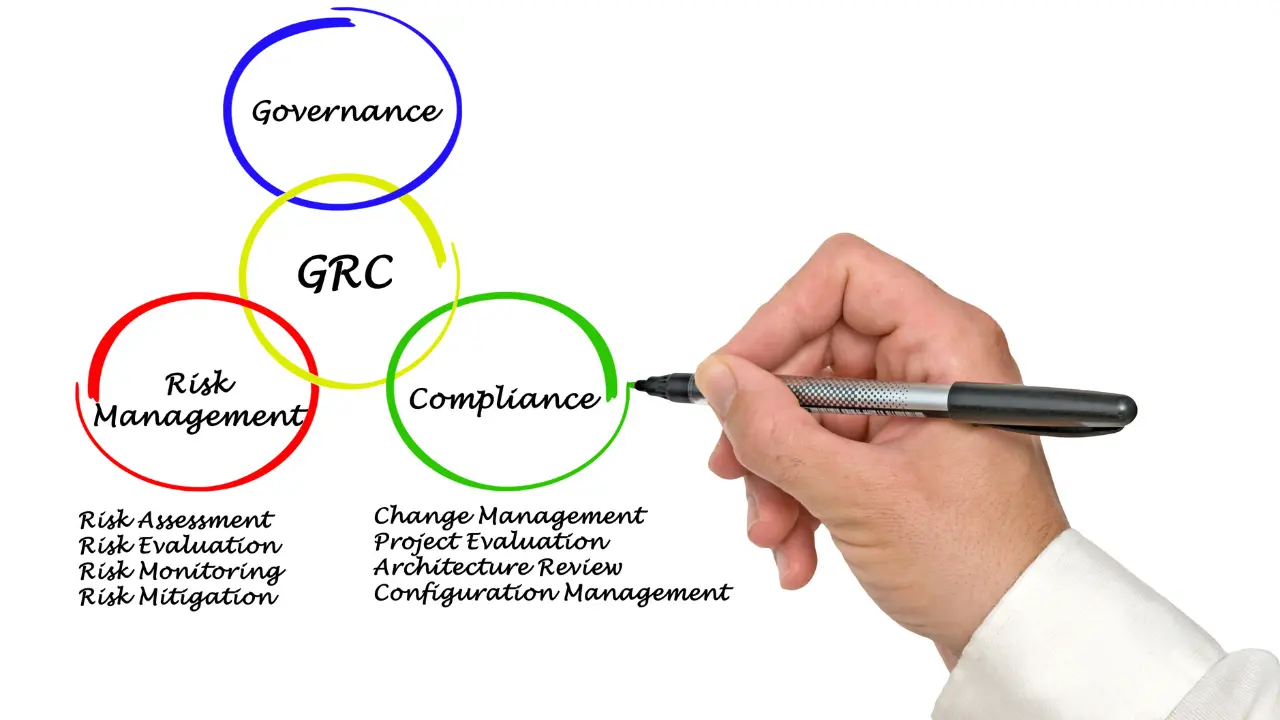
India’s data privacy landscape has entered a new phase. With the implementation of the Digital Personal Data Protection Act, 2023 and the operational rollout of the DPDP Rules, 2025, organizations are now being measured not by what they plan to do, but by what they can actively demonstrate.
For years, compliance programs largely focused on documentation, policy creation, and periodic audits. That model is no longer sufficient. The new regulatory environment demands operational accountability, continuous visibility, and measurable proof that personal data is being handled responsibly at every stage of its lifecycle.
This is where modern GRC consulting services are becoming critical.
Organizations across industries are discovering that privacy compliance is no longer simply a legal initiative. It is now a business operations, technology, governance, and risk management challenge that requires integrated systems, real-time monitoring, and enterprise-wide execution.
The organizations that succeed will not necessarily be the ones with the largest compliance teams. They will be the ones with the strongest operational infrastructure.
DPDP Has Changed the Nature of Compliance
The DPDP framework places individuals at the center of data protection. It creates a citizen-first model where organizations are accountable for how personal data is collected, processed, stored, shared, and deleted.
The law has made one thing very clear:
Intent is no longer enough.
Regulators, auditors, and stakeholders will expect organizations to prove compliance at any given moment. Businesses must now demonstrate that controls are functioning effectively across systems, departments, vendors, and workflows—not just during annual audits, but continuously.
This is a major shift from traditional compliance practices.
The question is no longer:
- “Do you have a privacy policy?”
The question is now:
- “Can you demonstrate operational compliance right now?”
That difference changes everything.
Why the Compliance Window Is Shorter Than It Appears
Many organizations assume the phased implementation timeline gives them enough time to prepare. In reality, the timeline is far more compressed than most programs anticipate.
Building a DPDP-ready environment requires organizations to establish:
- Consent management systems
- Data governance frameworks
- DSAR (Data Subject Access Request) workflows
- Data retention and deletion controls
- Third-party risk monitoring
- Real-time compliance visibility
- Audit-ready reporting systems
These are not projects that can be completed overnight.
The complexity increases further when organizations operate across multiple systems, departments, cloud environments, and vendors. Data often exists in disconnected platforms without centralized governance.
This is why businesses are increasingly turning to GRC consulting services to accelerate implementation, reduce operational blind spots, and build scalable compliance ecosystems.
The Most Common Operational Gaps Organizations Face
Across industries, the same problems continue to surface during privacy and governance assessments.
1. Fragmented Consent Management
Consent records often exist across multiple systems with no centralized visibility. Organizations struggle to track:
- When consent was collected
- What permissions were granted
- Whether consent was withdrawn
- Which systems still process the data
Without unified consent governance, compliance becomes difficult to prove.
2. Lack of a Unified Data Inventory
Many organizations do not have a complete understanding of:
- What personal data they collect
- Where the data resides
- Who has access to it
- How long it is retained
- Which vendors process it
Without a centralized data inventory, privacy governance becomes reactive rather than controlled.
3. Disconnected Risk and Compliance Functions
In many enterprises, risk management, cybersecurity, compliance, privacy, and legal teams operate independently.
As a result:
- Controls are duplicated
- Reporting becomes inconsistent
- Regulatory obligations are tracked manually
- Risk visibility remains fragmented
Modern compliance requires integrated governance models rather than siloed operations.
4. Limited Third-Party Risk Visibility
Third-party vendors often process sensitive customer or employee data. However, many organizations lack continuous monitoring of vendor risks, contractual obligations, and external data exposure.
This creates major compliance vulnerabilities.
Under DPDP, organizations remain accountable even when third parties handle personal data on their behalf.
Why Traditional Compliance Approaches No Longer Work
Historically, organizations approached compliance using a documentation-first strategy:
- Draft policies
- Conduct periodic audits
- Maintain spreadsheets
- Review controls quarterly
- Respond to issues reactively
That approach was designed for a slower regulatory environment.
DPDP requires something fundamentally different.
The law governs the entire lifecycle of personal data, including:
- Collection
- Consent
- Processing
- Storage
- Sharing
- Retention
- Deletion
Managing these activities manually across enterprise environments is nearly impossible.
This is why GRC consulting services are now evolving beyond advisory functions. Organizations require consultants who can integrate governance directly into operational systems, workflows, and technology infrastructure.
Compliance today is no longer a static documentation exercise.
It is a continuous operational capability.
DPDP Is Ultimately a Technology and Governance Challenge
Many organizations initially approach DPDP as a legal initiative. But the deeper challenge is operational execution.
Compliance cannot exist separately from the systems that process data.
Every privacy obligation eventually translates into technology requirements such as:
- Workflow automation
- Access management
- Data mapping
- Risk monitoring
- Audit trails
- Cloud governance
- Real-time reporting
- System integration
Without integrated infrastructure, organizations cannot maintain continuous compliance visibility.
This is where advanced GRC consulting services create long-term value—not by delivering policies alone, but by helping businesses build operationally resilient compliance environments.
What Effective GRC Consulting Services Actually Deliver
Modern compliance programs require a structured execution model. Organizations need more than interpretation of regulations. They need systems capable of sustaining compliance continuously.
The most effective GRC consulting services typically focus on five critical areas.
1. Translating Regulations Into Control Frameworks
Regulatory requirements must be converted into practical operational controls.
This includes:
- Mapping DPDP obligations to enterprise processes
- Defining ownership and accountability
- Establishing measurable controls
- Creating audit-ready governance structures
- Aligning compliance with business operations
Without structured control frameworks, compliance efforts remain fragmented.
2. Building End-to-End Privacy Operations
Privacy management must extend across the complete data lifecycle.
Organizations require:
- Consent lifecycle management
- Data governance workflows
- Automated DSAR processing
- Retention and deletion controls
- Centralized audit visibility
Operational privacy management is no longer optional. It is now a core business function.
3. Continuous Compliance Through Integrated GRC Platforms
Modern enterprises need a unified source of truth for governance, risk, and compliance activities.
Integrated GRC environments help organizations:
- Connect risks and controls
- Monitor compliance continuously
- Automate reporting
- Reduce manual oversight
- Improve decision-making visibility
This allows leadership teams to move from reactive compliance to proactive governance.
4. Managing Third-Party Risk
Vendor ecosystems are now deeply interconnected with enterprise operations.
Organizations must continuously monitor:
- External data flows
- Vendor access permissions
- Compliance obligations
- Security controls
- Risk exposure across partners
Third-party governance is becoming one of the most critical components of privacy compliance programs.
5. Establishing Scalable Technology Infrastructure
Sustainable compliance depends heavily on underlying infrastructure.
Organizations require systems capable of supporting:
- Cloud governance
- Workflow automation
- Real-time monitoring
- Centralized dashboards
- Continuous audit readiness
Quarterly reviews are no longer enough. Compliance must remain continuously visible.
Why Execution Matters More Than Documentation
Many organizations still believe compliance success is defined by policies, reports, and audit preparation.
But regulators increasingly focus on operational evidence.
They want to see:
- Working controls
- Active monitoring
- Data traceability
- Audit logs
- Incident response workflows
- Real-time governance visibility
In other words, they want proof that compliance exists in practice—not just on paper.
This is the real difference between organizations that merely prepare for audits and organizations that build operational resilience.
Compliance Is Becoming a Competitive Advantage
The conversation around DPDP often focuses on penalties and regulatory exposure.
But the bigger opportunity is trust.
Organizations that can demonstrate mature governance practices gain advantages in:
- Customer trust
- Enterprise partnerships
- Global expansion
- Investor confidence
- Vendor ecosystems
- Digital transformation initiatives
As privacy expectations increase globally, operational compliance will increasingly become a business differentiator.
Strong governance is no longer just about avoiding risk.
It is about enabling scalable growth.
The Future of Compliance Is Continuous
The era of periodic compliance is ending.
Modern enterprises need systems that provide:
- Continuous monitoring
- Automated governance
- Real-time visibility
- Integrated risk management
- Operational accountability
This is why demand for GRC consulting services continues to grow across industries.
Organizations are realizing that compliance cannot remain isolated within legal or audit departments. It must become embedded into technology, operations, governance, and business strategy.
Final Thoughts
The DPDP era has introduced a new reality for organizations handling personal data.
The challenge is no longer understanding the regulation.
The challenge is operationalizing it.
Policies alone cannot deliver compliance. Static documentation cannot provide real-time accountability. And periodic audits cannot detect continuously evolving risks.
Organizations now need systems, workflows, governance structures, and technology environments capable of demonstrating compliance at any moment.
That is the difference between compliance intent and compliance execution.
And that is where modern GRC consulting services play a defining role—helping organizations build compliance programs that are measurable, auditable, scalable, and continuously visible across the enterprise.