
Introduction
In today’s hyper-connected digital landscape, organizations are no longer just supported by technology—they are defined by it. From cloud infrastructure to enterprise applications, IT assets form the backbone of business operations. However, without proper governance and structured management, these assets can quickly become sources of risk rather than value.
This is where IT governance services and IT Asset Management (ITAM) come into play.
What is IT Governance?
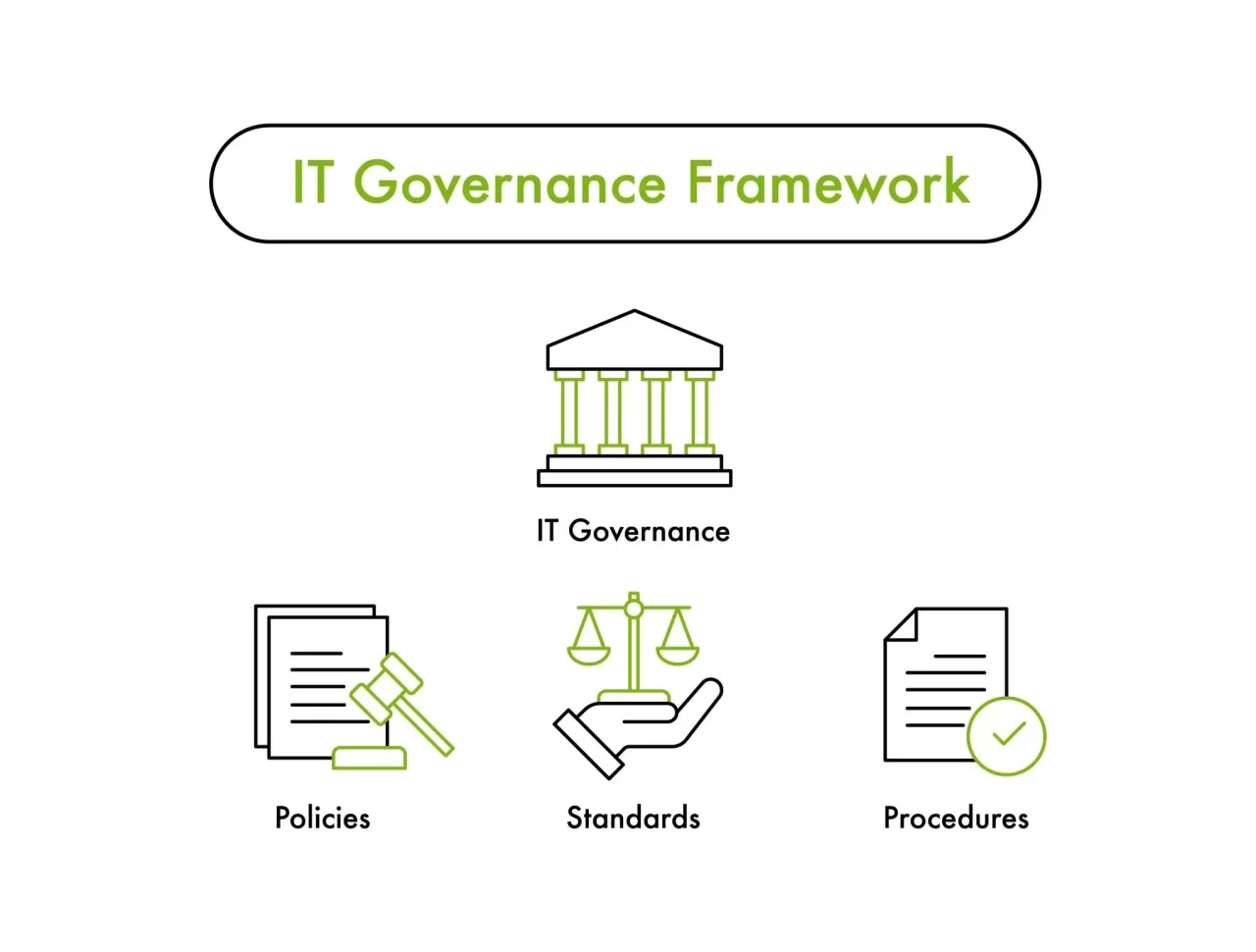
IT Governance is a structured approach that ensures IT systems and processes support organizational goals, manage risks effectively, and deliver measurable value.
Key Objectives:
- Align IT strategy with business goals
- Ensure regulatory compliance
- Manage IT-related risks
- Optimize resource utilization
- Improve decision-making transparency
Why It Matters:
Without governance, organizations face:
- Uncontrolled IT spending
- Security vulnerabilities
- Compliance failures
- Misalignment between IT and business
Frameworks like COBIT, ISO/IEC 38500, and ITIL help organizations implement strong governance models.
What is IT Asset Management (ITAM)?
IT Asset Management is the practice of tracking and managing IT assets—both hardware and software—throughout their lifecycle.
Asset Lifecycle Stages:
- Procurement
- Deployment
- Maintenance
- Upgrade
- Retirement
Types of IT Assets:
- Hardware (laptops, servers, network devices)
- Software (licenses, applications)
- Cloud resources (VMs, storage, SaaS)
- Digital assets (data, configurations)
- Better visibility into IT landscape
- Stronger compliance and audit readiness
- Cost optimization through asset utilization
- Risk reduction through controlled environments
Modern Challenges Organizations Face
Even mature organizations struggle with:
1. Shadow IT
Untracked tools and systems used without IT approval.
2. License Mismanagement
Over-licensing or under-licensing leading to financial and legal risks.
3. Lack of Real-Time Visibility
Inability to track assets across hybrid and multi-cloud environments.
4. Security Risks
Outdated or unmanaged assets becoming entry points for cyber threats.
Role of AI in IT Governance & ITAM
With the rise of AI, organizations are moving from reactive to proactive management.
AI-Powered Capabilities:
- Asset Discovery: Automatically identify unknown devices
- Anomaly Detection: Detect unusual usage patterns
- Predictive Maintenance: Forecast failures before they happen
- Risk Scoring: Evaluate asset-related risks dynamically
- Automated Compliance Checks: Ensure policies are followed continuously
Platforms like IBM OpenPages can integrate governance, risk, and compliance with AI-driven insights, making IT management smarter and more proactive.
Benefits of Integrating IT Governance with ITAM
Improved Decision-Making
Accurate asset data supports strategic planning.
Cost Optimization
Eliminate unused or redundant assets.
Enhanced Security
Identify and mitigate vulnerabilities faster.
Regulatory Compliance
Stay audit-ready with proper tracking and controls.
Operational Efficiency
Automate workflows and reduce manual effort.
Conclusion
In a world where technology is constantly evolving, organizations cannot afford fragmented or reactive approaches to managing IT. IT governance services provides direction, while IT Asset Management delivers control and visibility.
When combined—and enhanced with AI—they transform IT from a support function into a strategic enabler of business success.
Organizations that invest in this integrated approach are not just managing IT—they are mastering it.
Book Demo A Today: https://forms.gle/eVyVQKxfZoyHpkir9
FAQs For IT governance services
Implementing these with FAQ schema markup will help your page qualify for rich snippets in search results.
Q: What are IT governance services?
A: IT governance services provide a structured framework to ensure that an organization’s information technology investments optimally support its business objectives. It establishes clear structures for decision-making, accountability, risk mitigation, and performance measurement across all IT operations.
Q: Why does my company need an IT governance framework?
A: Without a formal framework, organizations often suffer from misaligned technology priorities, wasted budget, and security vulnerabilities. IT governance provides the blueprint to maximize your IT return on investment (ROI), ensure regulatory compliance (like GDPR, HIPAA, or SOC 2), and protect your brand from operational risks.
Q: What is the difference between IT management and IT governance?
A: While they sound similar, they focus on different organizational levels:
-
IT Management is operational. It focuses on the day-to-day running of tech systems and effectively delivering IT services.
-
IT Governance is strategic. It focuses on who makes the decisions, how risks are evaluated, and aligning IT capabilities with long-term corporate strategy.
Q: Which frameworks do your IT governance services utilize?
A: We tailor our approach based on your industry and scale, primarily leveraging globally recognized frameworks including COBIT (Control Objectives for Information and Related Technology) for overall alignment, ITIL (Information Technology Infrastructure Library) for service management, and ISO/IEC 38500 for the corporate governance of IT.