

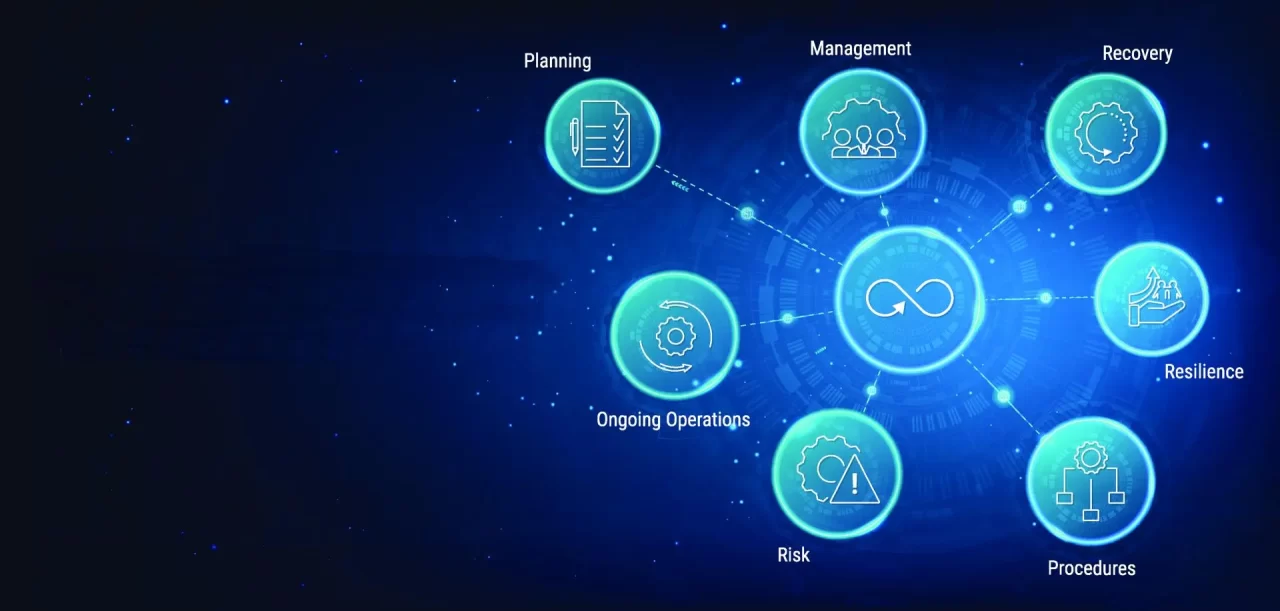
In today’s fast-paced business environment, organizations face a wide range of disruptions—from cyberattacks and natural disasters to system failures, supply chain interruptions, and global health crises. While it is impossible to prevent every unexpected event, organizations can prepare for them. This is where Business Continuity Management (BCM) plays a vital role.
What is Business Continuity Management?
Business Continuity Management (BCM) is a proactive approach that enables an organization to continue delivering its critical products and services during and after a disruptive incident. Rather than focusing solely on recovering from a crisis, BCM ensures that essential business operations remain available with minimal interruption.
An effective BCM program combines people, processes, technology, and facilities to maintain operational resilience and protect the organization’s reputation, customers, and financial stability.
Why is BCM Important?
Business disruptions can have significant consequences, including financial losses, regulatory penalties, reputational damage, and reduced customer confidence. A well-designed BCM program helps organizations:
-
- Minimize operational downtime
- Protect critical business functions
- Enhance customer trust and confidence
- Meet regulatory and compliance requirements
- Improve organizational resilience
- Reduce financial and operational risks
- Enable faster recovery from unexpected events
Organizations with mature BCM capabilities are better equipped to respond quickly, make informed decisions, and maintain business operations during crises.
Key Components of Business Continuity Management
1. Business Impact Analysis (BIA)
The Business Impact Analysis identifies critical business processes and evaluates the potential impact of disruptions. It helps determine:
- Critical business functions
- Recovery priorities
- Maximum tolerable downtime
- Recovery Time Objectives (RTO)
- Recovery Point Objectives (RPO)
2. Risk Assessment
Risk assessment identifies threats that could disrupt business operations. These may include:
- Cybersecurity incidents
- Natural disasters
- Power outages
- Human error
- Equipment failures
- Supply chain disruptions
- Pandemic events
Understanding these risks allows organizations to implement appropriate preventive and mitigation measures.
3. Business Continuity Strategy
Based on the BIA and risk assessment, organizations develop strategies to maintain critical operations. These strategies may include:
- Alternate work locations
- Cloud-based infrastructure
- Data backup and disaster recovery solutions
- Cross-trained employees
- Vendor contingency plans
- Redundant communication systems
4. Business Continuity Plan (BCP)
The Business Continuity Plan documents the procedures to follow during a disruption. A comprehensive plan typically includes:
- Incident response procedures
- Roles and responsibilities
- Emergency communication plans
- Recovery procedures
- Escalation matrix
- Contact information for key personnel and vendors
The plan should be clear, accessible, and regularly updated.
5. Testing and Exercising
A business continuity plan is only effective if it has been tested. Organizations should conduct:
- Tabletop exercises
- Simulation drills
- Disaster recovery testing
- Communication testing
- Full-scale business continuity exercises
Testing helps identify gaps and ensures employees understand their responsibilities during an incident.
6. Continuous Improvement
Business environments evolve constantly. BCM should therefore be an ongoing process rather than a one-time project. Regular reviews, lessons learned from incidents, audits, and updates ensure that continuity plans remain effective and relevant.
The Role of Technology in BCM
Modern organizations increasingly rely on technology to strengthen business continuity. Cloud computing, automated backups, remote collaboration tools, cybersecurity monitoring, and disaster recovery solutions enable businesses to recover more quickly and maintain critical operations even when physical offices or infrastructure are unavailable.
Artificial Intelligence and analytics are also helping organizations predict risks, monitor operational health, and improve decision-making during crises.
Business Continuity vs. Disaster Recovery
Although often used interchangeably, Business Continuity and Disaster Recovery serve different purposes.
- Business Continuity Management focuses on maintaining critical business operations throughout a disruption.
- Disaster Recovery focuses on restoring IT systems, applications, and data after an incident.
Disaster Recovery is an important component of the broader Business Continuity framework.
BCM Best Practices
Organizations can strengthen their BCM programs by following these best practices:
- Secure executive leadership support.
- Conduct regular Business Impact Analyses and risk assessments.
- Keep business continuity plans current.
- Clearly define roles and responsibilities.
- Train employees on emergency procedures.
- Test continuity plans periodically.
- Monitor third-party and supply chain risks.
- Continuously improve based on test results and real incidents.
Conclusion
Business Continuity Management is no longer optional—it is a strategic necessity. In an increasingly uncertain world, organizations that invest in BCM are better positioned to withstand disruptions, protect their stakeholders, and maintain customer confidence.
A successful BCM program goes beyond compliance. It fosters a culture of preparedness, resilience, and continuous improvement, enabling organizations not only to survive unexpected events but also to emerge stronger from them.
By planning today for tomorrow’s uncertainties, businesses can ensure continuity, safeguard their reputation, and create long-term organizational resilience.